What’s Your Deal, Interest Rates?
An essential part of my job is to educate people on the interest rate environment. But whenever I send out an email about interest rates (for example, the one titled “Why Interest Rates Shouldn’t Scare You” – dated 6/7/22), the mortgage-backed securities market seems to treat it as a jinx and it does something ridiculous, like increase more than .500% over two business days. I’m sticking with the original sentiment in last week’s email – interest rates shouldn’t scare you, primarily because you and I can’t control what interest rates do (and as discussed last week, low rates drive prices higher). That said, here’s a brief dive into what’s happening and why:
A Story in Two Charts: High Inflation = Bad For Interest Rates


What to do with this info:
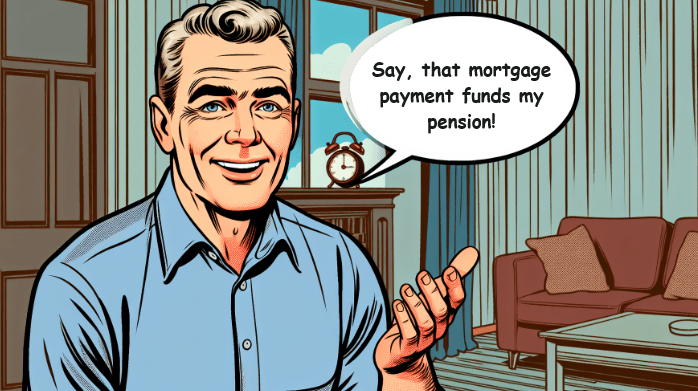
I mention this in the video above, but it’s worth writing it out: to understand interest rate movement it’s important to look at the other side of the coin. An interest rate is what a homeowner pays for their mortgage, but on the other side it is an investment vehicle for fixed income. Think of your grandma’s pension: she worked, saved and is no longer investing in stocks because she would like to enjoy retirement with a fixed income. The fixed income comes from a guaranteed return by buying bonds or treasuries. And what hurts someone on a fixed income? Rising prices. If prices go up, that fixed income doesn’t buy as much as it used to. So someone on a fixed income would ideally like their income to increase along with the prices. In other words, in an inflationary environment the bond market demands higher rates of return. When Friday’s inflation report came out market participants believed it would moderate, but instead it shocked them by reaching it’s highest point in 40 years, and as a result bond yields are rising.
Tomorrow the Federal Reserve will announce their next interest rate move and forward guidance on how to deal with the inflation issue. We’re going to be looking at two things:
- It has been expected for quite some time that they will increase the Fed Funds Rate by .500%. But interestingly enough, if they raise their interest rate higher than that, it could potentially help mortgage rates because it would signal a more aggressive stance in curbing inflation.
- If their guidance suggests that they will start reducing their balance sheet at a more rapid pace (especially in regards to their sizable mortgage backed securities portfolio), that could be a negative for interest rates.
 your old pal gav
Leave a comment